
Country Selector
Please enter a valid location
Rooted in Results: The Role of Cover Crops in Corn and Soybean Success

Cover crops are powerful tools in corn and soybean production, but only when they’re chosen with purpose. Whether your customers are chasing better soil structure, nutrient retention or weed control, the species they plant can make all the difference. This article lays out the three major types of cover crops and details how each one can best contribute to the success farmers have with your seed.
Grasses, legumes and brassicas that work
Each cover crop species brings its own strengths, but how well those strengths translate into production gains depends on how and when they’re used. What works best in a particular soil type? What survives the area’s winters? What best complements the individual corn or soybean cropping system without over-complicating it? Let’s take a closer look.
Grasses
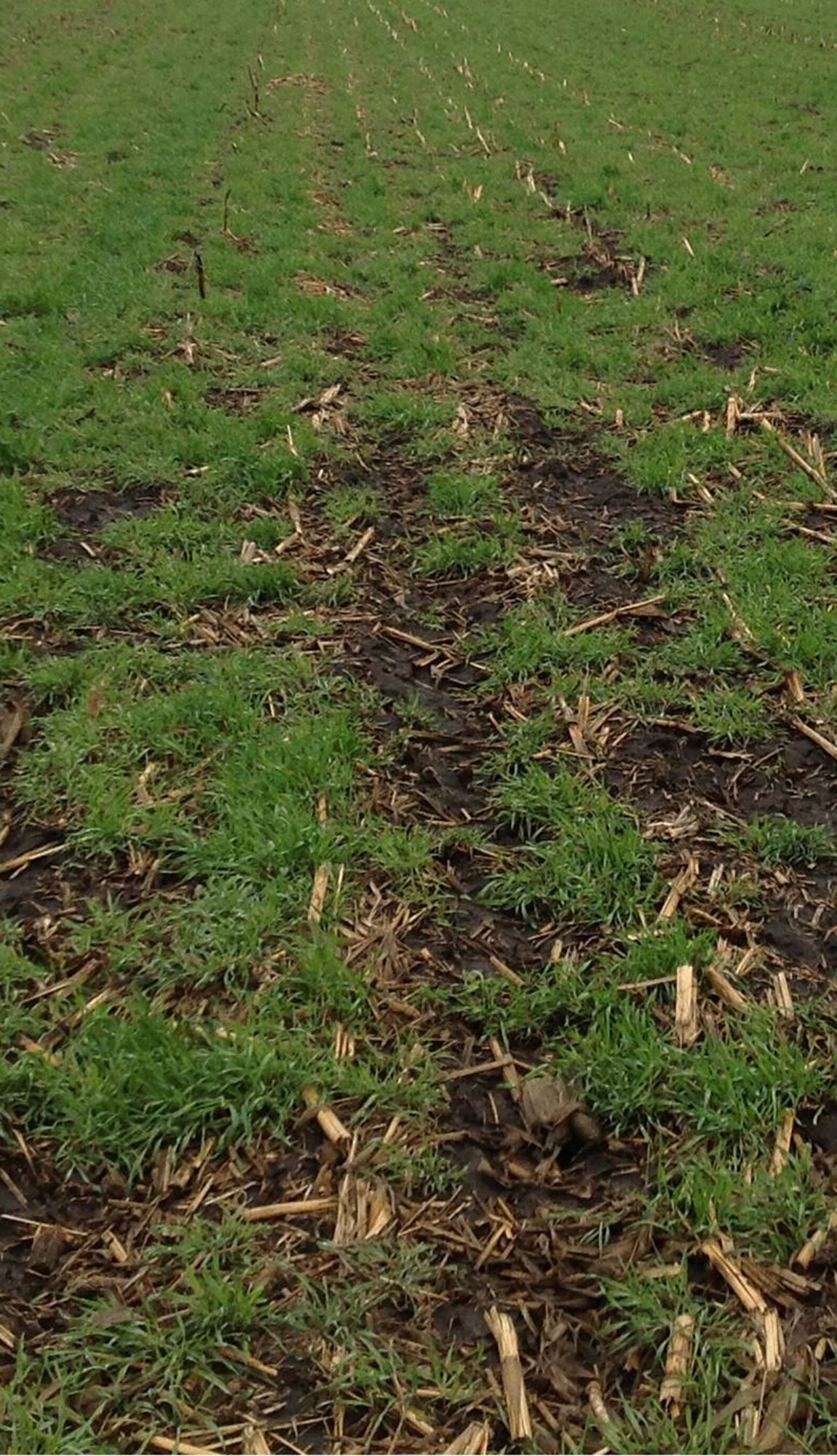
Cereal Rye
Grasses like cereal rye, annual ryegrass and oats are widely grown in the Midwest. Cereal rye is an especially popular choice due to its cold tolerance and aggressive fall growth, making it ideal for late-season planting. Cover crop grasses share four desirable characteristics:
Weed suppression: Early season weed pressure is a threat to uniform emergence. Grass cover crops create a physical barrier that shades out weeds, reducing the need for post-emergence herbicides and improving stand uniformity.
Nitrogen scavenging: Grasses capture leftover nitrogen from the previous crop, reducing leaching losses and making nutrients available later in the season, which is especially valuable for corn.
Erosion protection: These species produce substantial biomass, which improves soil organic matter and helps build structure over time.
Moisture retention: Residue from grasses helps conserve soil moisture, especially critical during dry springs. This feature supports better germination and early growth for both corn and soybeans.
Grasses and non-legumes offer the opportunity for improved ROI by reducing replant risk, using nitrogen more efficiently, reducing the number of herbicide applications and helping to support better early season vigor, which benefits yield potential. However, grasses can tie up nitrogen in the spring if not terminated early, especially before planting corn. Proper timing and management are key to avoiding nutrient competition and ensuring smooth transitions into cash crops.
Legumes
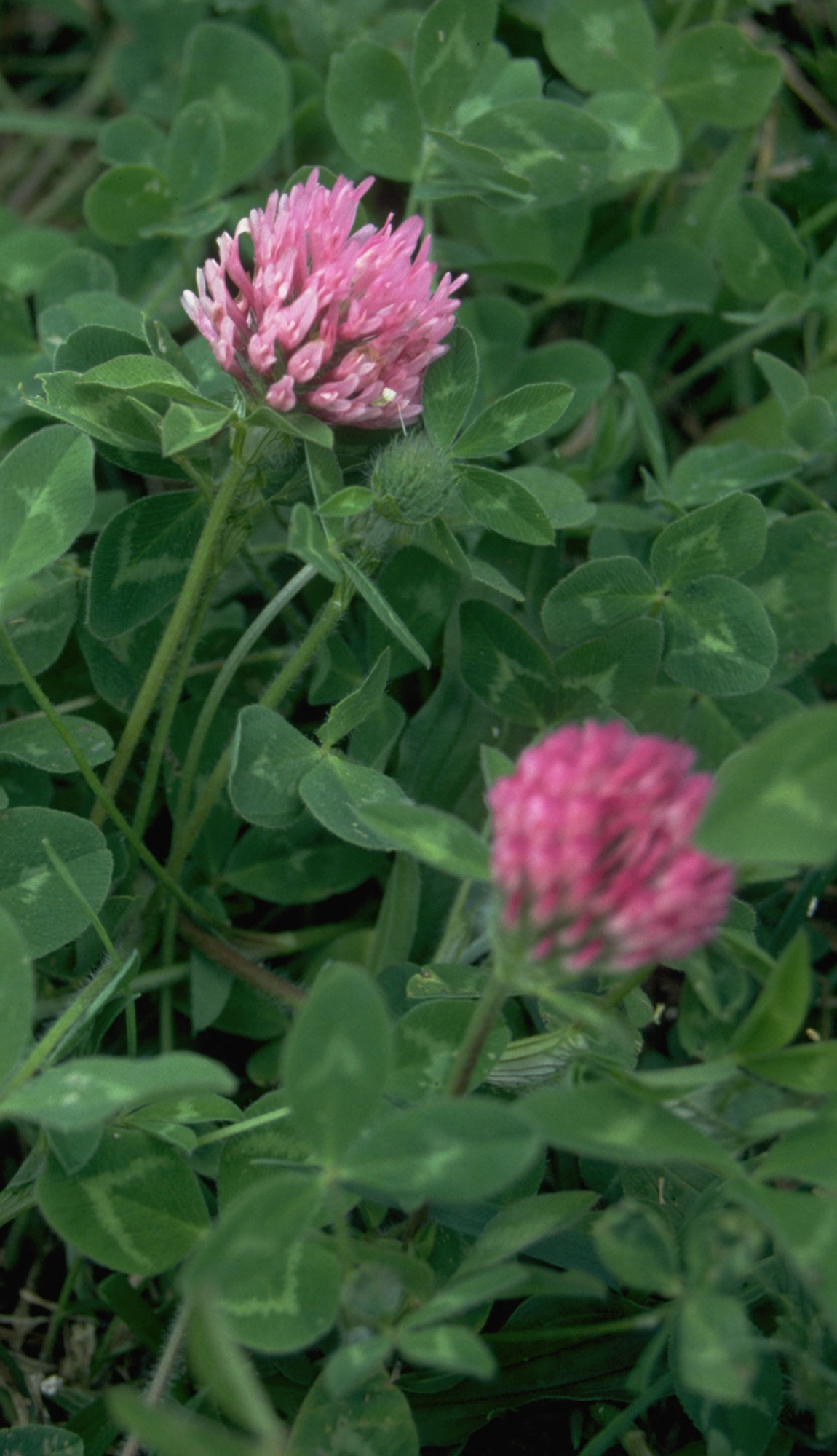
Red Clover
Legumes such as hairy vetch, red clover and crimson clover are valued for the following qualities:
Nitrogen fixation: Legumes fix atmospheric nitrogen, supplying a portion of the N needed for corn. This characteristic can reduce synthetic fertilizer costs and support early vigor. They work particularly well in cornafter-soybean rotations, where nitrogen demand is high. Hairy vetch, for example, has been shown to contribute 40 lbs–180 lbs of nitrogen per acre.1
Fertility enhancement: Legumes improve both soil physical properties and nutrient recycling, which benefits corn root health.
Quick residue decomposition: Their low carbon-tonitrogen ratio means residue from legumes break down rapidly, minimizing planting delays and nutrient tie-up.
Value from rotation: Introducing non-host species helps disrupt pest and disease cycles, supporting cleaner fields and healthier crops.
With these characteristics, legumes have the potential to improve ROI by lowering nitrogen input costs for corn, improving soil fertility and biological activity, enabling faster field readiness in spring and providing long-term soil health gains that can promote sustained productivity. The tradeoff is that legumes often require earlier establishment in the fall and may be slower to germinate, making them less ideal for late harvest windows. Additionally, spring termination must be carefully timed to avoid planting delays or excessive residue.
Brassicas
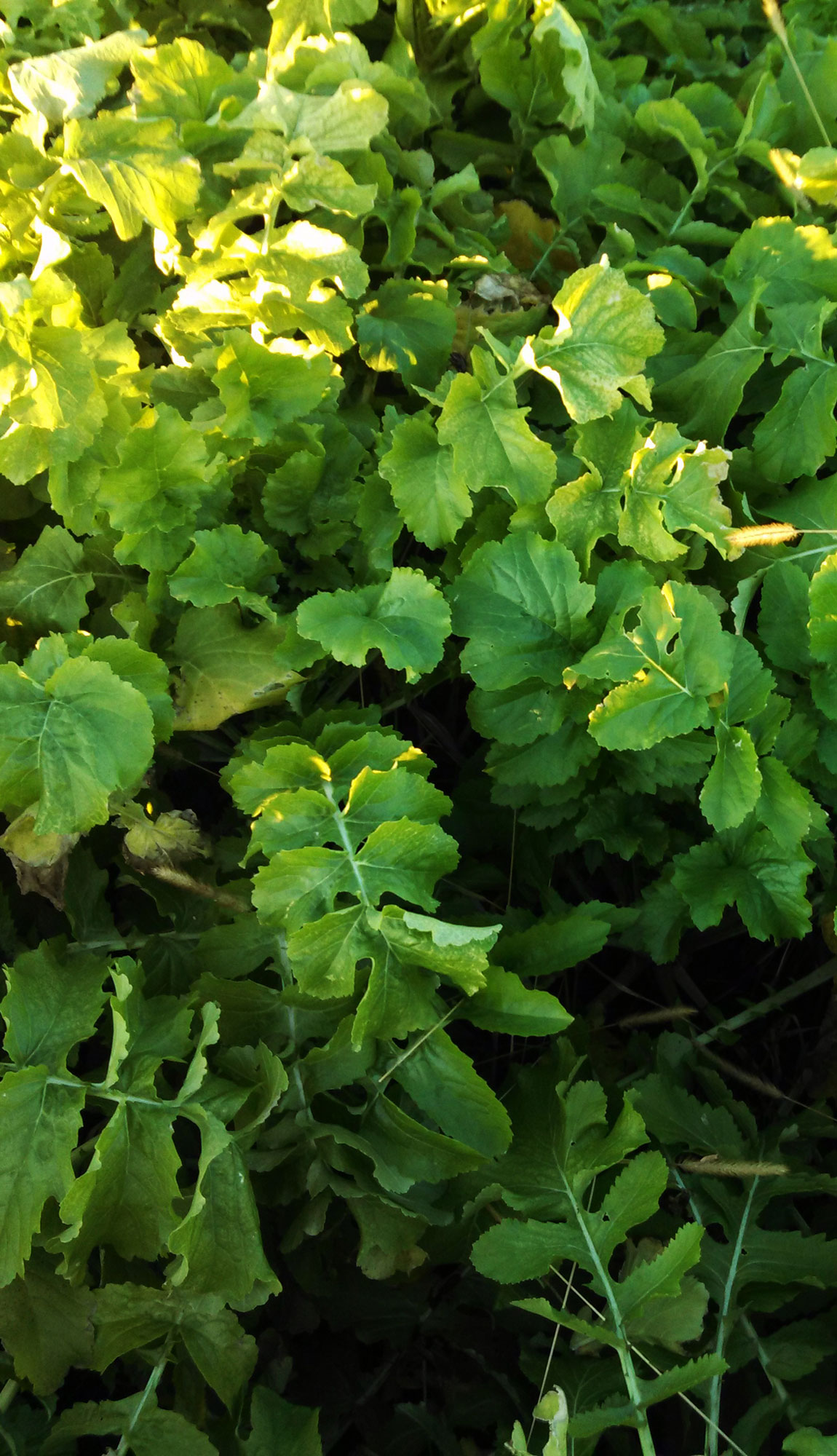
Forage Radish
Brassicas like oilseed radish, turnips and mustards offer unique benefits:
Compaction relief: Deep taproots break up compacted soil layers, improving water infiltration and root access for corn and soybeans.
Nutrient scavenging: Brassicas pull up deep nutrients, like phosphorous, making it more available to the next crop, which is especially advantageous to soybeans. Oilseed radish is especially effective at improving soil health and reducing nutrient leaching during fall and winter.
SCN suppression: Certain brassicas such as mustard, radish and rapeseed help reduce SCN pressure because they are non-host crops.
Fall biomass accumulation: Fast growth fills short planting windows, protecting soil and adding organic matter.
Brassicas can aid in improved ROI through reducing tillage needs, improving nutrient availability, potentially reducing SCN-related yield loss and enhancing soil structure, which can lead to better root development and stress tolerance.
Most brassicas winterkill in the Midwest, which simplifies spring management and can eliminate the need for a termination pass. However, they provide limited erosion control due to low residue and may not suppress weeds as effectively as grasses. Their short growing window also means they must be planted early to maximize impact.
Other considerations
Cover crops offer clear agronomic benefits, but practical factors need to be considered. Seed costs, labor and equipment — especially for aerial seeding or specialized drills — can add up. Termination timing matters, too, as winter-hardy species like cereal rye may need to be killed early to avoid delaying spring planting or tying up nitrogen. Residual herbicides can affect germination, and weather can limit growth or emergence. These challenges usually don’t cancel out the value of cover crops, but they do require careful planning to make the investment worthwhile.
Cover crops are strategic tools that can reshape the health and resilience of a farming system, now and in the future. By choosing species that align with agronomic goals, planting with precision and managing with purpose, farmers can create benefits that go beyond the growing season: stronger soils, fewer weeds, better nutrient cycling and a more sustainable system overall. The key is purpose — because when cover crops are planted with a plan, they help set the stage for stronger, more resilient, higher-yielding corn and soybeans.
1 Andy Clark II, Managing Cover Crops Profitably, Third Edition, (Sustainable Agriculture Research and Education (SARE) program, 2007), 145.
™ Trademark of Corteva Agriscience and its affiliated companies. © 2025 Corteva. 025795 LC (10/25)
