
Country Selector
Preparing for success: key weed control decisions before drilling cereals
With the majority of harvest now complete, attention can turn to the 2027 crop, and effective weed control starts now. The hot, dry conditions experienced through harvest, coupled with limited soil moisture, may have increased seed dormancy in many weed species, with relatively low levels of germination currently visible in stubbles. While this reduces opportunities for early weed flushes, it could also lead to larger and more concentrated emergence events once cooler temperatures and rainfall return.
However, an early harvest provides an excellent opportunity to maximise cultural control measures before drilling. As many of the most effective weed management decisions are made outside the crop, now is the ideal time to review last season's performance, identifying what worked well and where improvements can be made. While weed control was generally strong in many fields, late-emerging grassweeds and broad-leaved weeds often escaped control, reinforcing the need for a season-long, integrated approach.

Article written by Hugh Guinan, Field Technical Manager at Corteva Agriscience
As autumn approaches, cultivation decisions should be driven by field conditions and clear objectives, whether that is alleviating compaction, encouraging weed germination, creating stale seedbeds or burying weed seed.
Current dry conditions may limit the benefits of cultivation in some situations, and growers should carefully consider whether soil disturbance will stimulate germination or whether leaving soils undisturbed could achieve similar results while also reducing weed seed viability. Understanding the biology and behaviour of the target weed species remains critical.
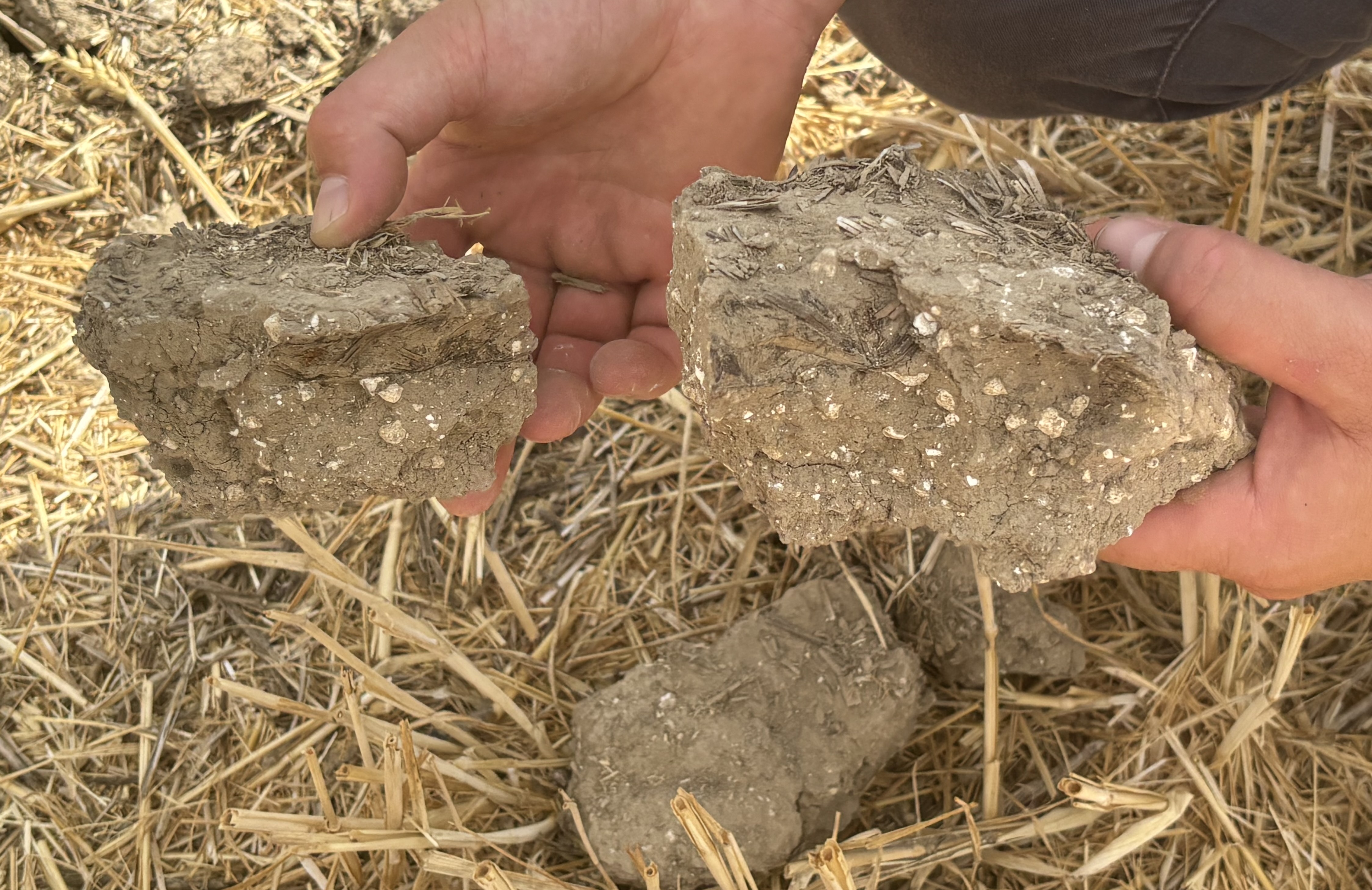
Where stale seedbeds can be successfully established, allowing sufficient weed regrowth before drilling remains one of the most effective weed control tools available. These should then be followed by a well-timed glyphosate application, using an appropriate dose rate for the target species and applied at the optimum growth stage. Integrating glyphosate with cultivation strategies helps reduce weed populations while minimising selection pressure on the chemistry.
Effective weed management remains a year-round challenge, particularly for problematic species such as Italian ryegrass, bromes, groundsel, poppy and cleavers. Early-emerging weeds can reduce yield, complicate harvest and increase weed pressure in future rotations. Success depends on integrating cultural controls such as delayed drilling, stale seedbeds, crop rotation, variety choice and seed rates with targeted cultivations, stubble management and timely herbicide applications. By planning ahead and making the most of the opportunities before drilling, growers can put themselves in the strongest position for successful weed control this autumn.
- Start planning now - effective weed control begins before drilling.
- Monitor weed emergence - dry conditions may delay germination until rainfall returns.
- Review last season - identify what worked and where improvements can be made.
- Use stale seedbeds wisely - cultivate only where it supports weed control/agronomic objectives.
- Optimise glyphosate use - apply the right dose at the correct growth stage.
- Take an integrated approach - combine cultural and chemical controls for best results.

