
Country Selector
Weed control in spring reseeds
More than half of grassland is now sprayed with herbicides by contractors, both on established grassland and new sown leys. New products for the latter situation are making this much easier. Sara Gregson reports
Reseeding a grass field replaces worn-out weedy swards with new, high quality seeds, which can produce potentially twice as much dry matter yield per hectare. Modern plant breeders have also produced new varieties which have much greater digestibility and higher metabolisable energy (ME) and protein levels, so they are more nutritious for the animals to eat.
Newer ryegrass varieties also use nitrogen fertiliser much more efficiently, have greater resistance to disease and better tolerance to drought and waterlogging. So there are plenty of good reasons for farmers to reseed. But costs of between £400 to £700/ha means it is essential to do everything right.
Two thirds of grassland farmers reseed in the autumn, with nearly a third in spring, between March and May. Reseeding at this time gives a greater chance of having good conditions for establishment, although maximum yield will not be reached until the following year.
The key to successful establishment is ensuring a good seedbed and adequate pH and nutrient availability.
Weed seeds in the soil
Any form of soil cultivation can disturb the weed seed bank, so it is important to check new leys for any signs of weed infestation. Effective control is needed to prevent early competition and ensure uniform growth across the new sward.
Early competition from vigorous weeds such a chickweed, red shank and fat hen can rapidly reduce the growth of the new grass and leave leys gappy and unproductive.
A wide range of perennial and annual weeds will take advantage of increasing temperatures and a moist seedbed to germinate, including docks, thistles, annual meadow grass, shepherd’s purse, red shank and fat hen. Weed seedlings are more susceptible to herbicides than mature plants and are easier to control at this growth stage.
Many grassland herbicides are for use only on established grassland, i.e., over a year old at the time of treatment. However Corteva Agriscience now has three products for use as early as when three grass leaves have appeared.
Leystar® contains fluroxypyr, clopyralid and florasulam and will control chickweed, thistles, buttercups, dandelions, daisies, docks, mayweed, charlock, chickweed and cleavers. It can be applied from 1 February to 31 August, so is ideal for spring-sown reseeds. The dose rate is 1 litre per hectare (l/ha) in a water volume of 200 l/ha. Legumes, including all types of clover will be killed.
Similarly Envy®, which contains fluroxypyr and florasulam, will also clear new reseeds of any undesirable broadleaved weed seedlings. Envy controls chickweed, dandelions, buttercups, daisies and docks and can be applied from 1 February to 30 November – so will be useful where leys are reseeded in autumn.
The dose rate for Envy is higher than for Leystar and so is more suited for use when targeting docks that emerge from both seed or root fragments. Apply at 1.5l.ha on new sown leys in a water volume of 200 l/ha. Again, this product kills clover.
Clover-safe product
New to the Corteva grassland portfolio is ProClova® XL. It has minimal effect on clover whilst still controlling a wide range of broad-leaved seedling weeds in new sown leys.
Spraying with ProClova protects the significant investment made by farmers in reseeding and allows the clover to add quality to the forage, while potentially reducing the need to apply nitrogen fertiliser.
ProClova contains a new active ingredient called Rinskor and another clover-safe active ingredient called amidosulfuron. It must always be used in a tank mix with XL adjuvant.
For optimum results spray when overnight temperatures are forecast to be more than 8o centigrade for a period from three days before to three days after application date. Application is spring is recommended for quicker recovery of the clover.
On new sown leys the maximum individual dose is 85g/ha of ProClova plus 165 ml/ha of XL in 200 l/ha of water using 3* drift reduction technology. Applications can be made between 1 April and 31July.
Best practice
Corteva’s focus is on ensuring safe, effective, compliant applications that maximise weed control and minimise operator, environmental and residue risks.
Always read the label and follow best practice guidance and use the manufacturers’ recommended rates, water volumes and nozzles to optimise weed coverage with minimal drift.
Spraying equipment must be well maintained, clean and calibrated before use, with functional nozzles that deliver consistent, even coverage. Application with low drift technology, ie air inclusion nozzles are required by the label.
It is a regulatory requirement to reduce spray drift under sustainable use rules and to reduce off-target damage. Always consider the proximity of water courses and any buffer requirements described on the label eg LERAP categories.
For more information on spraying weeds in new sow leys, visit www.corteva.com/uk/forage/new-sown-leys
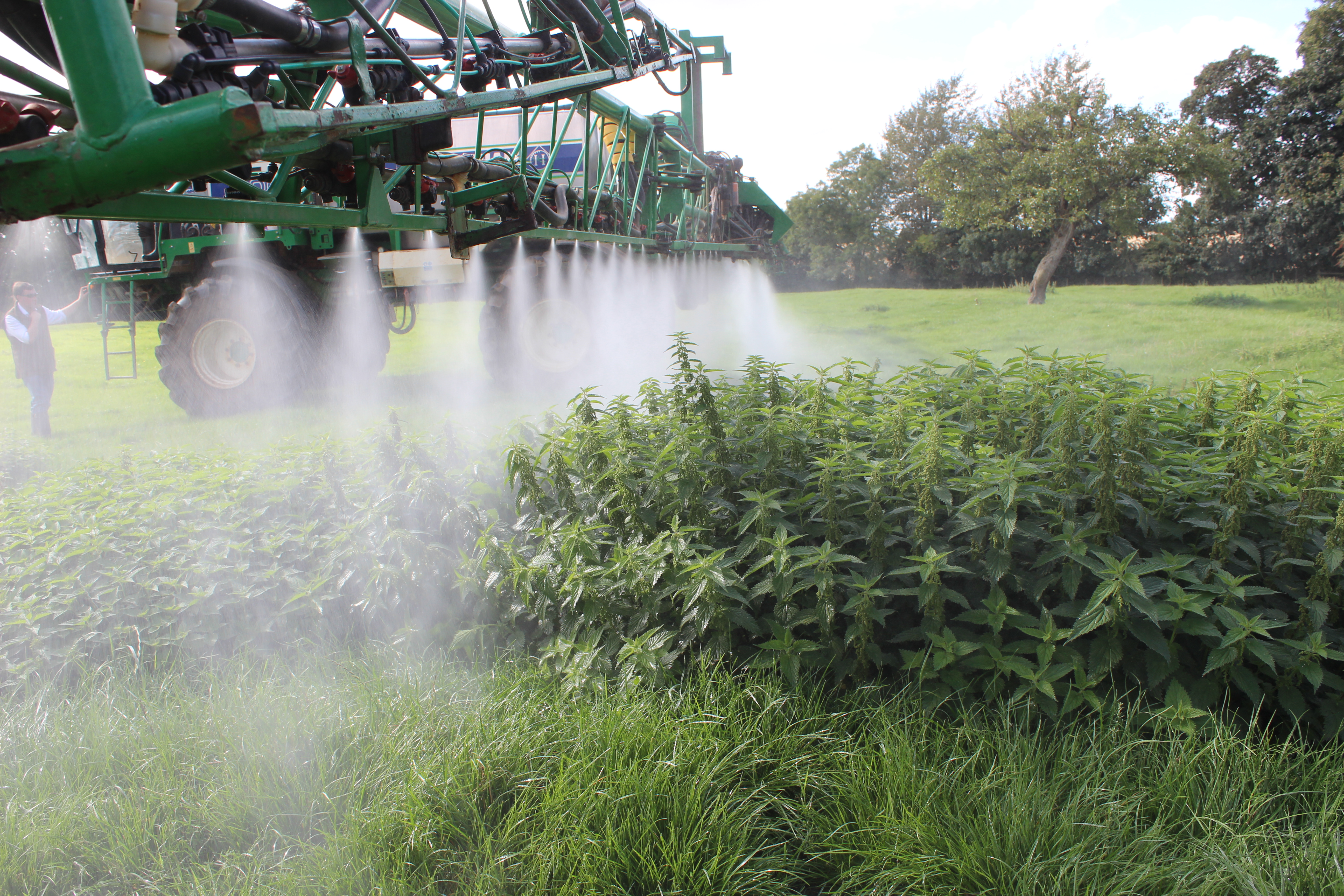 Tractor spraying grassland
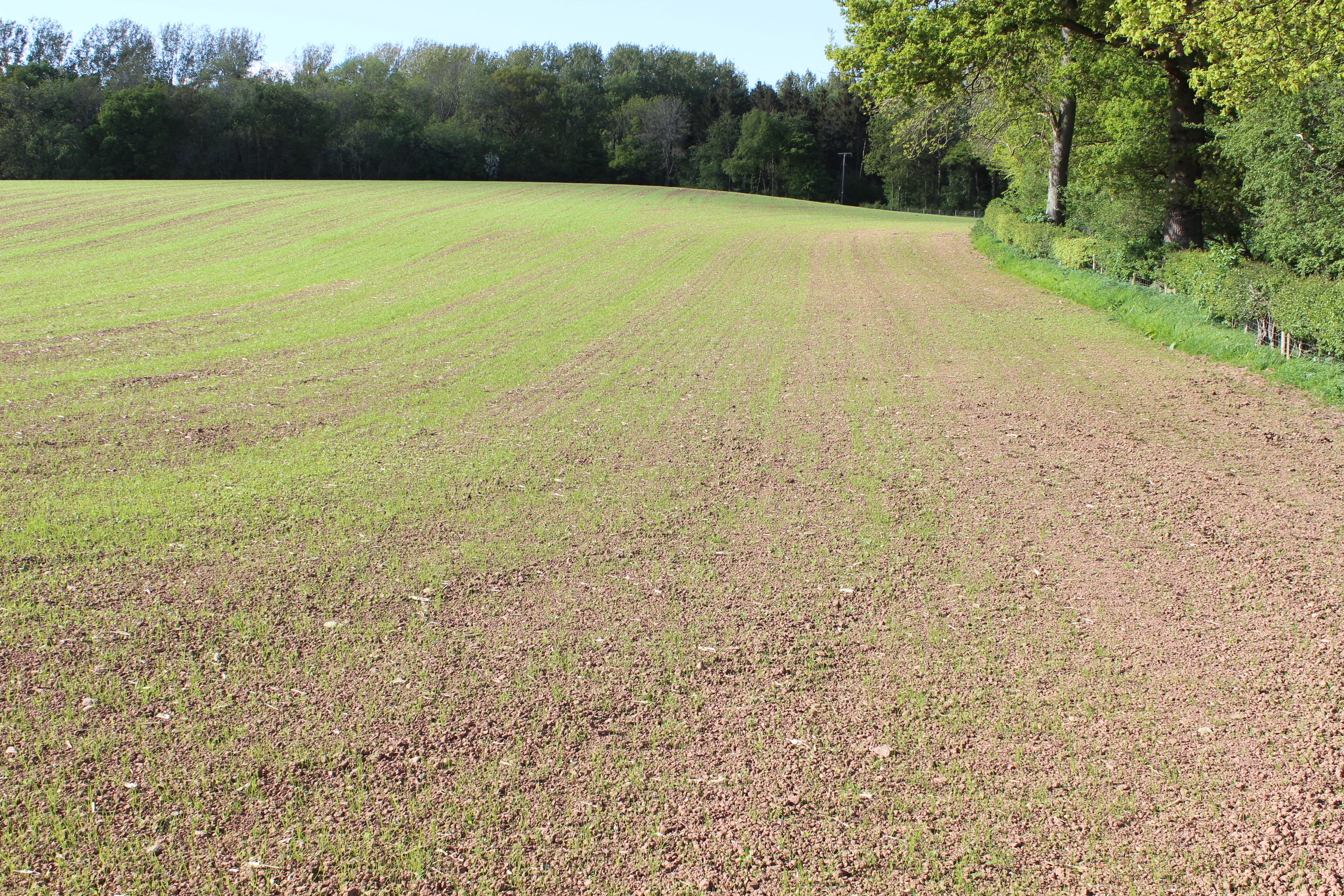 Newly sown ley with weed seedlings
Note to editors
Use herbicides safely. Always read the label and product information before use. For warning signs and symbols refer to the label.
Envy® contains fluroxypyr and florasulam. Leystar® contains clopyralid, florasulam and fluroxypyr. ProClova® XL contains florpyrauxifen-benzyl and amidosulfuron.
About Corteva
Corteva, Inc. is a publicly traded, global pure-play agriculture company that provides farmers around the world with the most complete portfolio in the industry - including a balanced and diverse mix of seed, crop protection and digital solutions focused on maximising productivity to enhance yield and profitability. With some of the most recognised brands in agriculture and an industry-leading product and technology pipeline well positioned to drive growth, the company is committed to working with stakeholders throughout the food system as it fulfils its promise to enrich the lives of those who produce and those who consume, ensuring progress for generations to come. Corteva Agriscience became an independent public company on June 1, 2019, and was previously the Agriculture Division of DowDuPont. More information can be found at https://www.corteva.com/uk
Follow Corteva on Facebook, LinkedIn, Twitter and YouTube.
™ ® ℠ Trademarks and service marks of Corteva Agriscience and its affiliated companies.
Media Contact:
Sara Gregson
Sara Gregson Marketing Communications
t: 01799 530934 m: 07768 764062 e: sara@saragregson.co.uk