
Optimize pasture performance with these Corteva Range & Pasture solutions recommended specifically for cattle producers in the East.

Country Selector
Africa
Asia Pacific
Australasia
Europe
Latin America and Caribbean
North America
Please enter a valid location
Range and Pasture - East
Being a good steward of the lands that have raised generations of families and cattle is a responsibility that no producer takes lightly. And we know that the foundation of any successful operation starts with healthy pastures.
But the challenge with plentiful pastures often means that weeds and invasive brush are a regular problem to deal with alongside the many other things that demand a cattle producer’s time, energy and full attention.
With proven technologies and research-backed resources, Corteva Range & Pasture is here to helps you optimize your grass and hayfields — the foundation that helped get you where you are today and will continue to serve you tomorrow.
We are proud to be your partner in the pasture.
Your Herd, Your Land. Our Commitment.
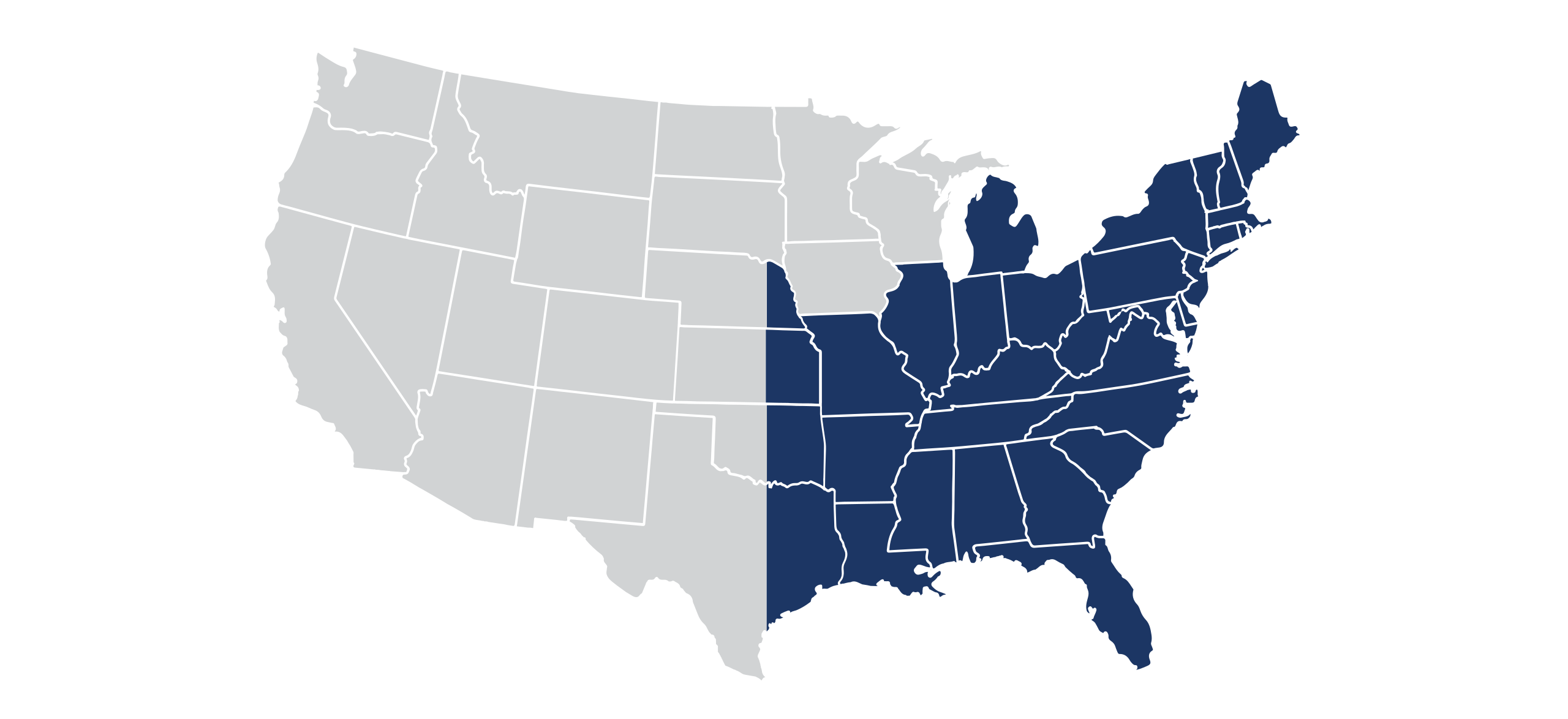
- Solutions for the East
- From the pasture
- Troublesome weeds & brush
- Let's connect
Solutions for the East


From the pasture
Hear from the cattlemen and cattlewomen who trust Corteva Range & Pasture to help improve their pastures and build on the foundation of their operations – their grass.


Troublesome weeds and brush
Keep an eye out for these common weeds found throughout the eastern United States and surrounding area and get tips for how to manage them.


 Facebook Facebook |  Instagram Instagram |  X X |  YouTube YouTube |
Helping you steward the land
Stay up to date with seasonal tips, rancher success stories and pasture management strategies to help you maximize pasture and rangeland productivity – delivered straight to your inbox.
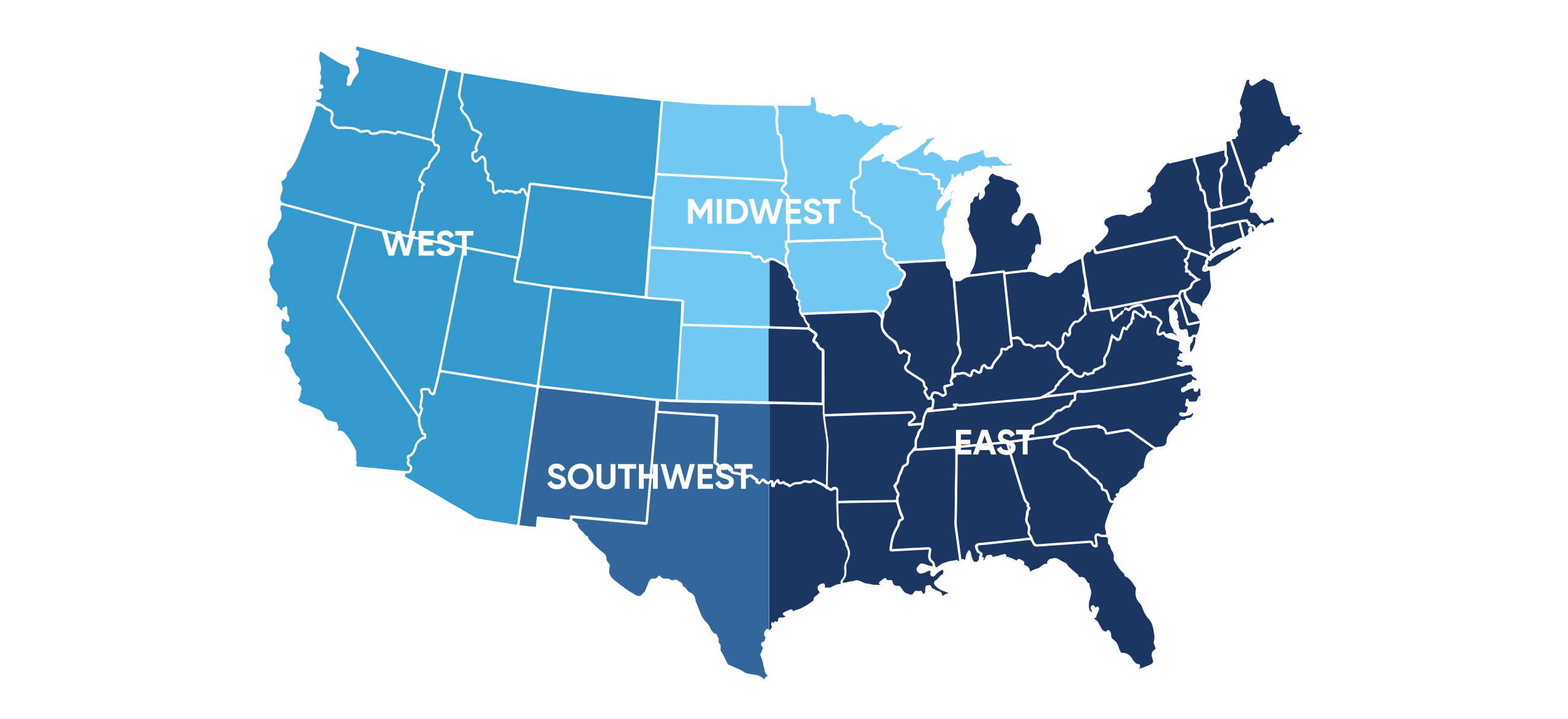
Looking for Range & Pasture solutions for a different region?
Under normal field conditions DuraCor® is non-volatile. DuraCor has no grazing or haying restrictions for any class of livestock, including lactating dairy cows, horses (including lactating mares) and meat animals prior to slaughter. Label precautions apply to forage treated with DuraCor to manure and urine from animals that have consumed treated forage. DuraCor is not registered for sale or use in all states. White clover and annual lespedeza exhibit some initial injury (such as lodging and loss of vigor) but recover. NovaGraz™ is not registered for sale or use in all states. Contact your state pesticide regulatory agency to determine if a product is registered for sale or use in your state. UltiGrazSM with fertilizer is available for use with specific herbicides in the states of AL, AR, CO, FL, GA, HI, IA, ID, KS, KY, LA, MN, MO, MS, MT, NC, ND, NE, NV, OK, OR, SC, SD, TN, TX, UT, VA, WA, WI, WV, and WY. Chaparral™ has no grazing or haying restrictions for any class of livestock, including lactating dairy cows, horses (including lactating mares) and meat animals prior to slaughter. Label precautions apply to forage treated with Chaparral and to manure and urine from animals that have consumed treated. Consult the label for full details. Chaparral is not registered for sale or use in all states. Contact your state pesticide regulatory agency to determine if a product is registered for sale or use in your state. Always read and follow label directions. /span>